Salta al contenuto PRENOTA
Slide 1
Slide 2
Slide 3
Slide 4
Slide 5
Slide 6
Thumb 1
Thumb 2
Thumb 3
Thumb 4
Thumb 5
Thumb 6

The show begins
at the table

Welcome to Passatelli 1962

True Romagna between food and conviviality

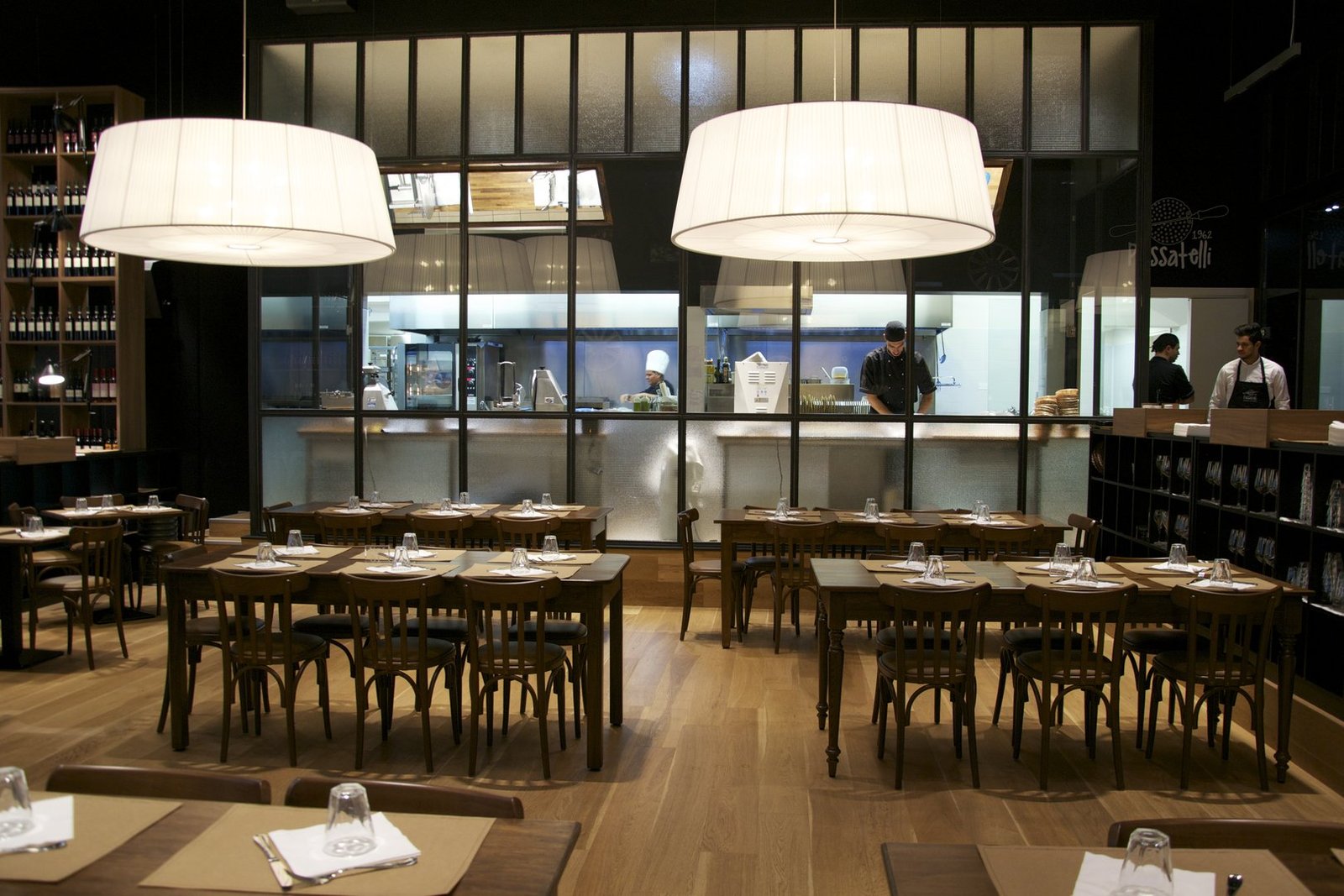
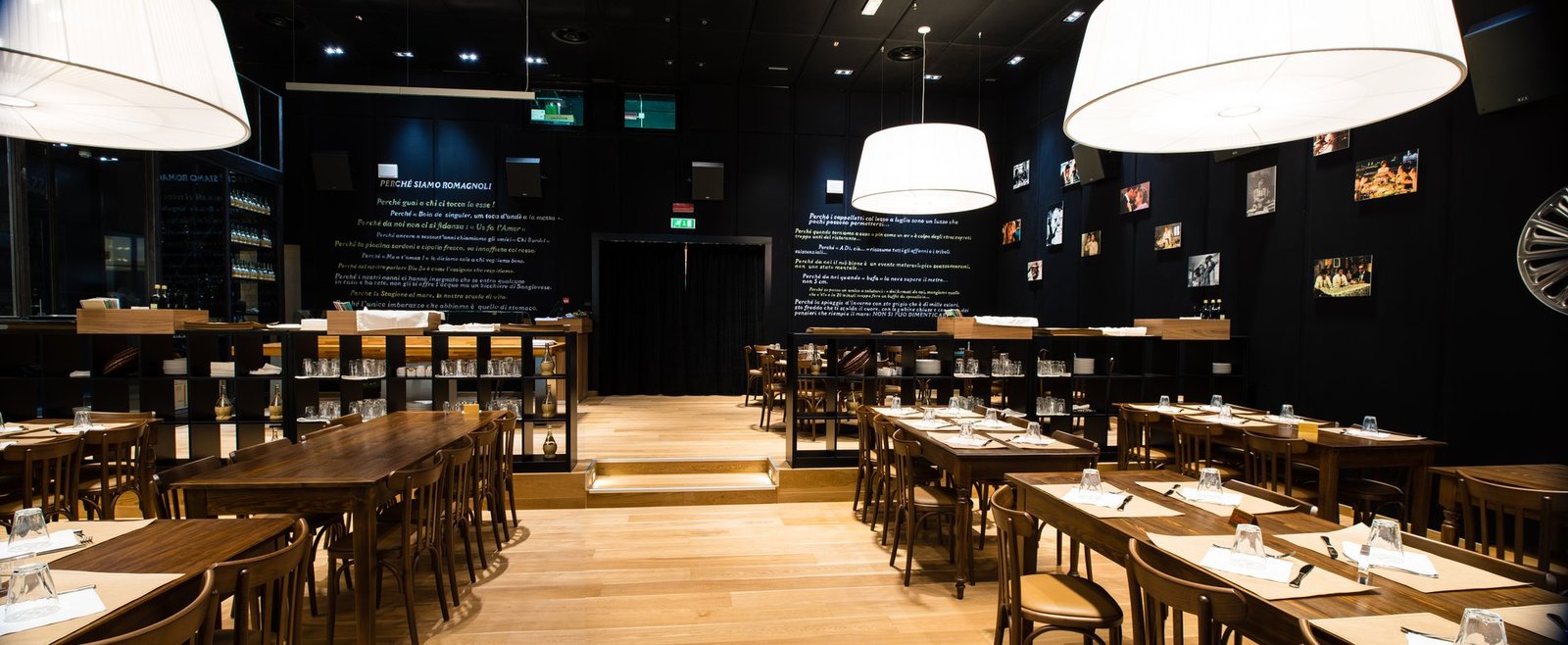
In the heart of Ravenna's historic center, Osteria Passatelli 1962 preserves and passes down the identity and warmth of the true Romagna tavern, where the pleasure of savoring traditional land and sea dishes combines with the joy of sharing them with loved ones in an informal and peaceful environment.

Osteria Passatelli is one of those places that revives the convivial and sincere vocation of the tavern of yesteryear, where the table was above all the preferred place to gather, and transforms it into an art. Here, cuisine and wine are expressions of a territory's culture and privileged means to know, tell and appreciate every facet of it. This is why, for those who love Romagna and its flavors, sitting at our tables truly means feeling at home.

Press

From cinema to osteria: the Mariani lives on alongside Passatelli, without losing its soul

Sponsored article on Ravenna Notizie.

There is a place in the heart of Ravenna's historic center where the glow of the projector coexists with the scent of sheet pasta rolled with a rolling pin. Where passatelli and cappelletti meet arthouse cinema. Where the curtain, when all is said and done, has never really fallen.

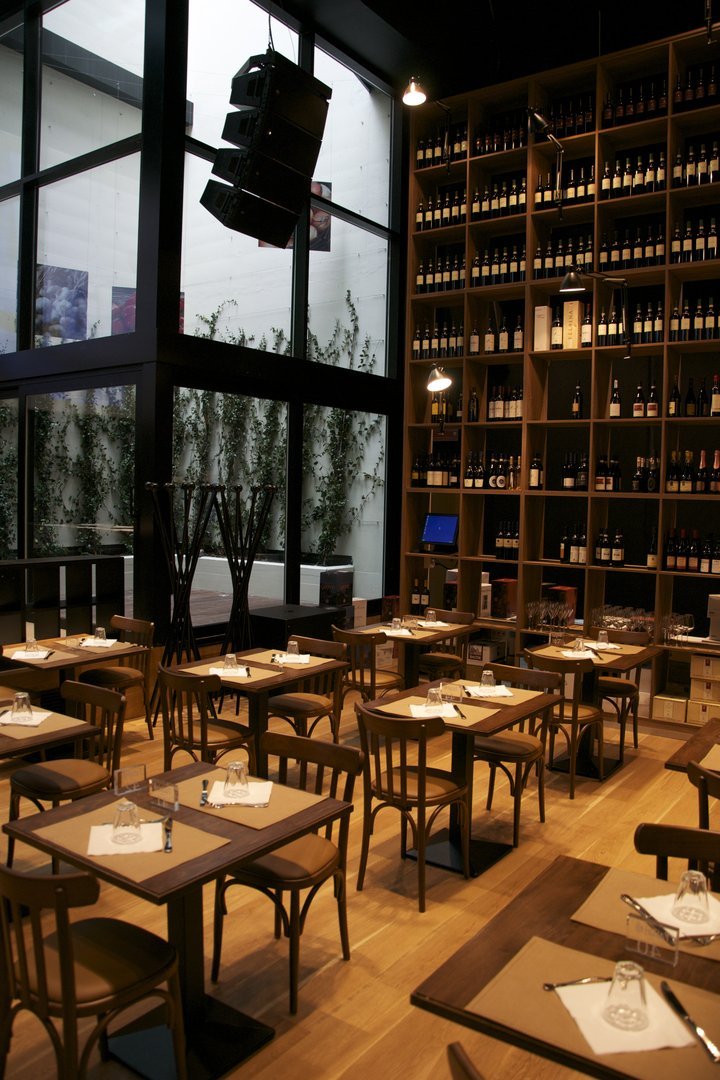
This is the story of the Cinema Teatro Mariani on Via Ponte Marino, restored and transformed without betraying its identity. On the upper floor, a cinema auditorium was preserved, with a selective programme of Italian and international film. The remaining spaces were reimagined as a restaurant, pizzeria, bar and events venue.

Behind the project stands the vision of Maurizio Bucci, who over the years has navigated the many sides of a complex restoration, holding together culture, business, gastronomy and hospitality. A gamble that, thirteen years later, looks fully won.

The Mariani has more than 160 years of history. Leafing through documents from the past (the early 1900s), a sentence resurfaces that could describe the present too: “the new works carried out in the theatre have made the Mariani an elegant and most comfortable gathering place.” Then as now, those words seem to describe perfectly what this place has become.

The current management chose to keep the city's only downtown cinema screen, saving not only a physical space but a cultural outpost with a programme devoted to auteur cinema. Around it, however, the Mariani has become much more.

The complex includes Osteria Passatelli, the cinema auditorium, the bar and also Figo, another contemporary dining space run by Bucci's son. Different rooms, united by the same idea of quality and welcome.

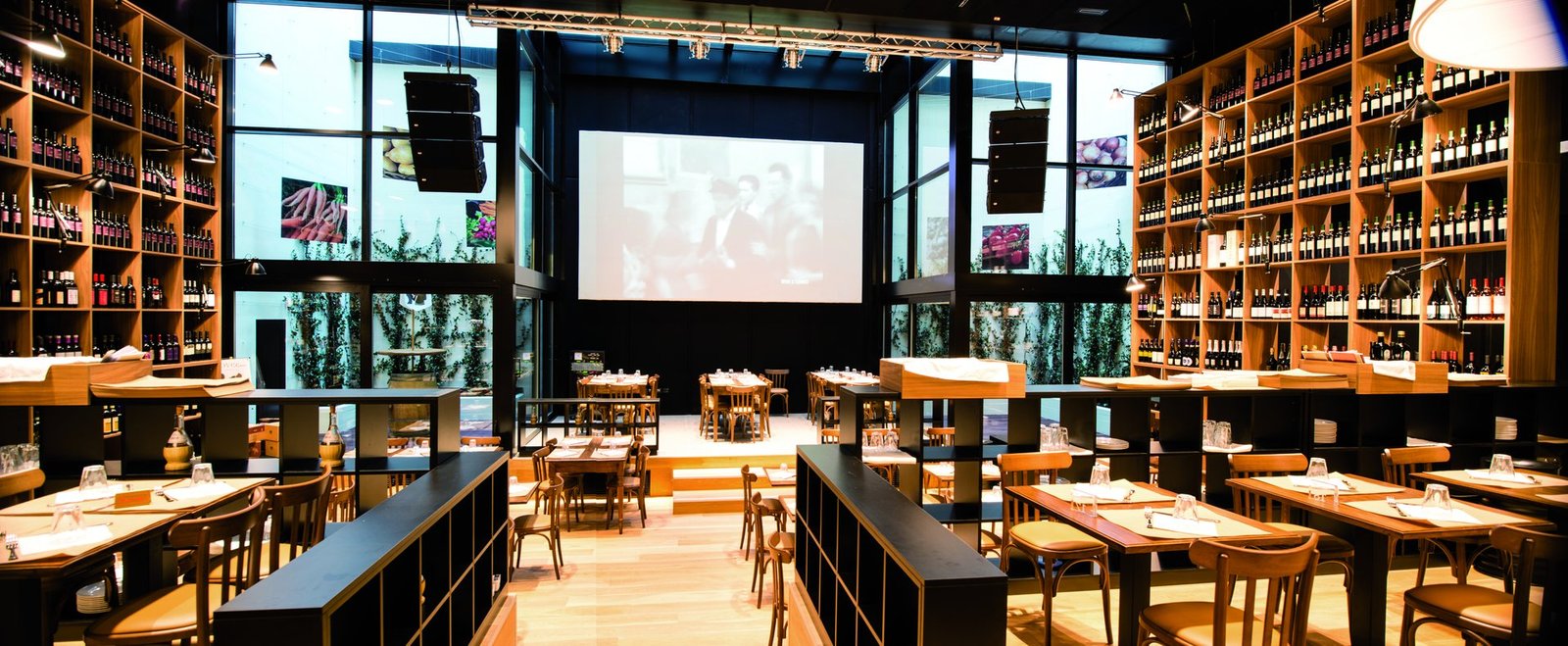
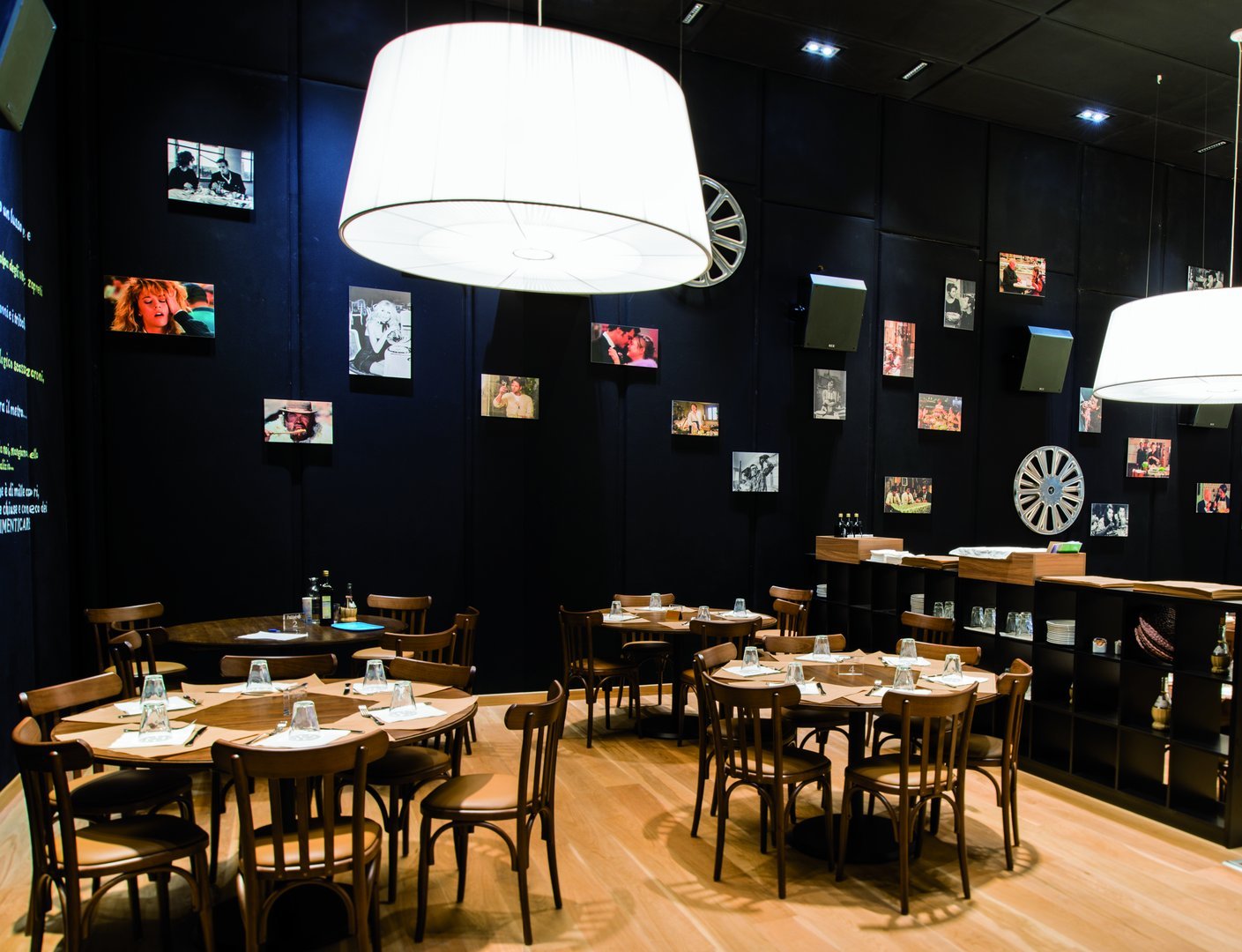
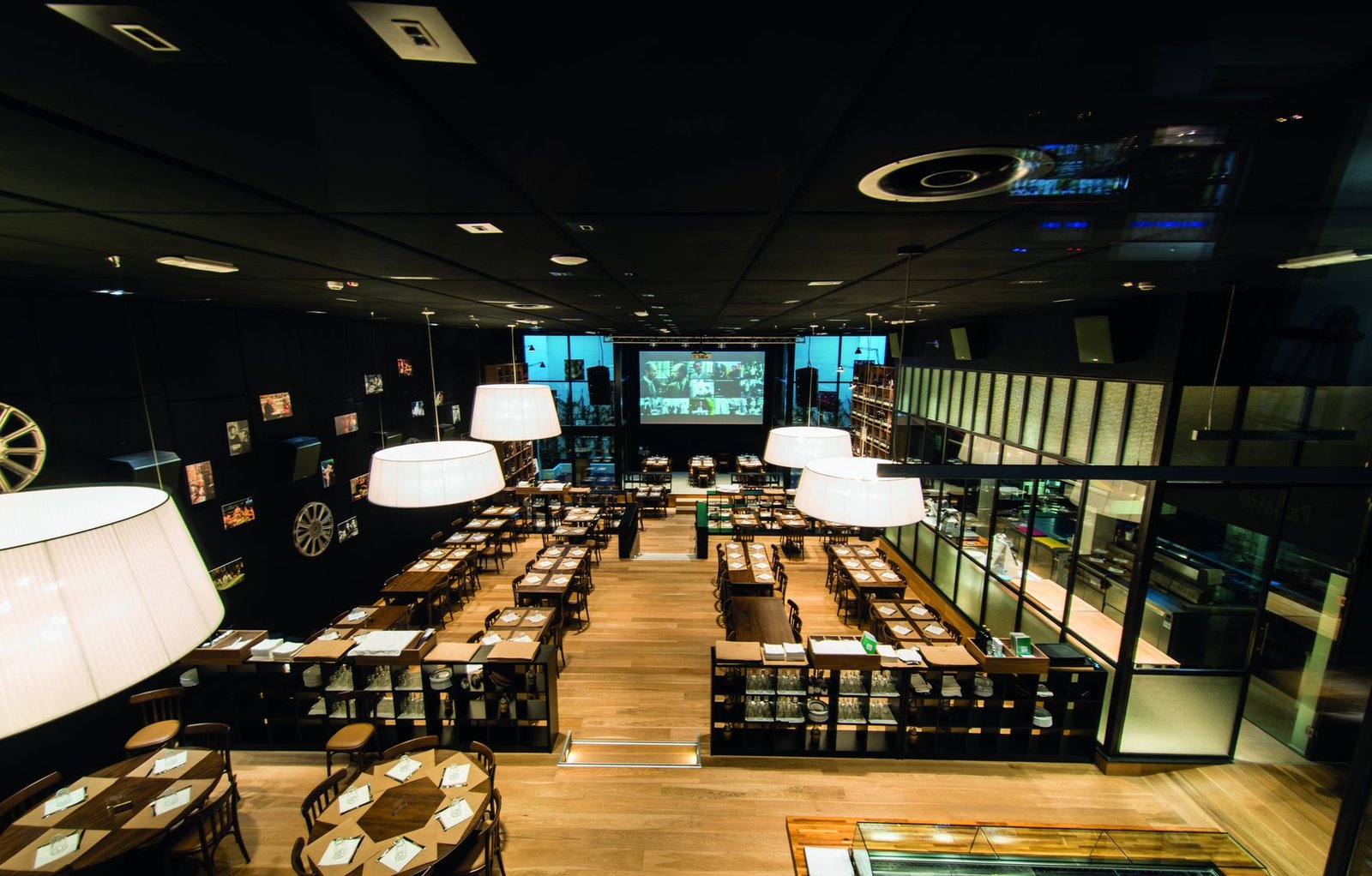
Traces of the old cinema are still easy to see. The original screen was recovered and now finds new life on the ground floor, next to a stage used for events and shows. The room structure, the lighting, the atmosphere: everything helps create a unique feeling suspended between memory and the present.

Visitors from afar are often the most struck. Tourists from all over the world come in to eat and find themselves somewhere unlike anywhere else. Wonder is often the first reaction. Then satisfaction.

“It feels good here: for the setting, the welcome, the good food”—that is the recurring comment.

One day, at neighbouring tables, an Englishman and an American—it sounds almost like a joke, Bucci says with a satisfied laugh—explained, amused, that they had found their way there thanks to artificial intelligence: “AI brought us here.” A sign that the Mariani, though deeply tied to its history, also speaks the language of today and has a strong presence online.

Yet the heart of the place remains deeply Romagnolo. The kitchen offers traditional dishes with a strong bond to the territory, woven with a contemporary idea that is never nostalgic. Cappelletti, tagliatelle and pizza sit side by side with ease; passatelli are served downstairs while upstairs the film programme goes on. Culture and gastronomy move forward together, both with the same attention to quality.

The pasta makers symbolise this bond with Romagna cuisine. They roll out dough with a pin, as in the past, and from that ancient gesture come classic and reinvented pastas: cappelletti, tagliatelle, passatelli, strozzapreti and even curzul.

Service too helps make the Mariani a special place. An efficient team works in the kitchen; in the dining room, staff welcome guests with smiles and a kindness that grows rarer by the day. That is also why the complex draws an average of 300 people a day, with peaks of 650–700 guests.

Open every day of the year, it closes only on Christmas evening. A small detail that says how much this place has become part of the life of the city.

Traditional and modern together, osteria and cinema, memory and innovation: the Mariani remains a one-of-a-kind. At a time when many historic venues change beyond recognition, here the opposite happened. The past stayed, simply finding a new way to go on living.

Our hours

🕐

We are open every day

12:00 – 14:30 + 19:00 – 23:00